Larissa Rodriguez, a 17 years old cheerleader from Texas died in October 2025 by drinking Alani Nu energy drinks which contain high caffeine levels. A medical examiner's report linked her death to an enlarged heart associated with stress and high caffeine intake. Reports even suggest the teen was consuming at least one, and potentially more, Alani Nu energy drinks daily. (Today.com)
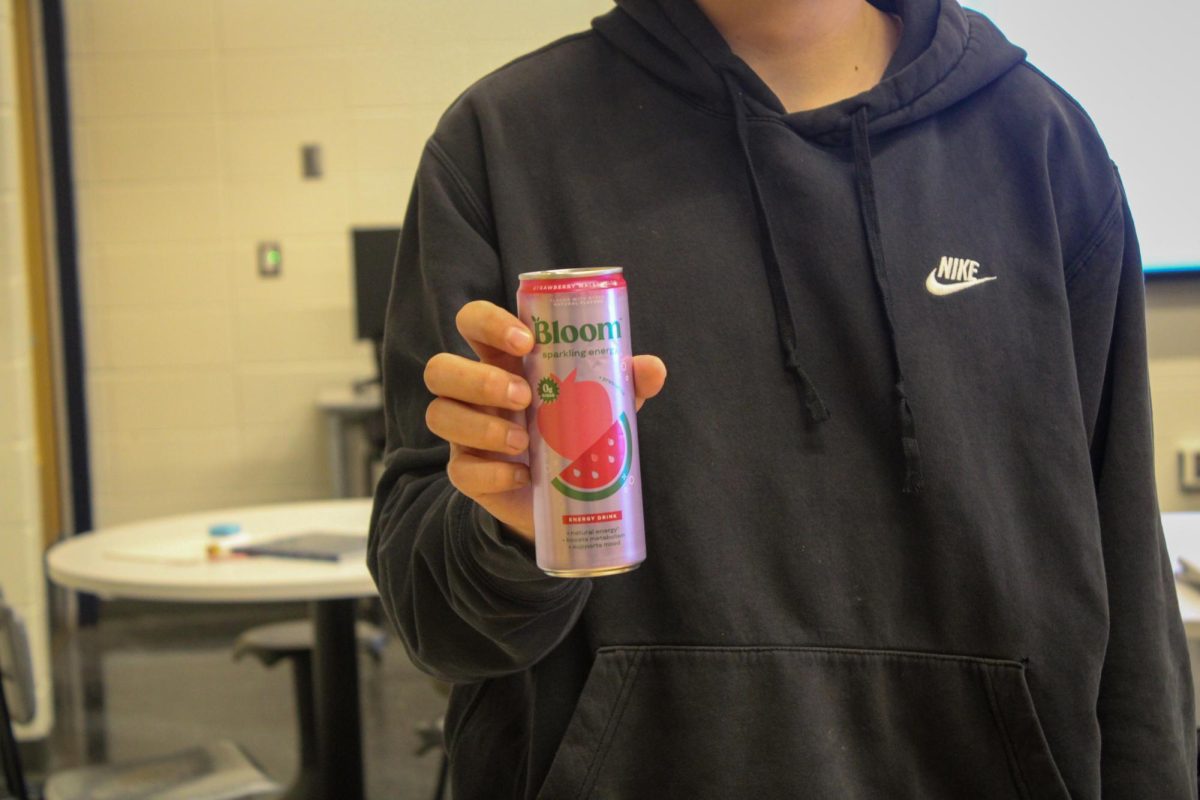
CHS students are high consumers of energy drinks starting early in the morning until the last school hour. A high ingestion of caffeine presents dangers for teens, and only drinking it occasionally is recommended.
“[I have an energy drink] probably less than once a week. I need it to stay awake and not fall asleep. I’m aware of the danger of it, ” Gerald Valchine (‘29) said.
Others like Natalie Rogers (‘29) made it an everyday habit. A can of Alani Nu or similar energy drinks contains an average of 200 mg for 12oz. For a teenager, the recommended maximum caffeine intake is 100mg or less per day. (Michiganmedecine.org) The risk can vary from insomnia and anxiety, to rapid heart rate and increased blood pressure. Knowing some of these issues, Rogers is trying to reduce her consumption.
“There was a time where I would drink three a day. Every day, I would get like 600 milligrams of caffeine ,” Rogers said.
The reason they drink energy drinks varies from person to person. Appealing packaging, interesting flavors and sweet tastes are the marketing techniques used by these brands to attract teenagers. Often sold in packs, it’s simple to buy a large amount. The promise of a new wave of energy seems a good deal for a tired student at school. However, the result is not the best option to replace lost sleep hours or help concentrate in class.
“It's like a soda that just really helps me get through the day. I'm aware of the danger. My mom always reminds me of it, so I'm careful,” Riley said.
Even if some students know the risks of it, they continue drinking it. Heart health is an important factor to think about while having a high caffeine consumption. The repercussions are damaging and potentially deadly. If it has become a habit, reducing little by little the number of cans consumed can be a good way to avoid negative consequences.
“I would drink Celsius for energy mostly. I have done lots of research on it. I found out that there's a lot of links with heart conditions, lots of that,” Rogers said.
Safer options like sodas and caffeine free coffee could be a way to replace energy drinks little by little, but realizing that changes can be made to ameliorate health is the first step. If stopping can be hard and scary, reducing consumption is potentially a good adaptation to a healthier lifestyle.
“Slowly but surely, I did wean myself off. And definitely there were lots of symptoms after I just stopped — having the worst headaches of my life —but now I have not had caffeine in a few months,” Rogers said.