
As we all know, AI is a booming trend, and it fills our everyday lives, whether we acknowledge it or not. And with the increase in use of this technology, we can find ourselves asking: to what extent will AI overlap with education? And is this popularity something we will all have to adapt to? Or is the usage of AI just another trend that we will look back on?
“I think people are going to be using the same amount in 10 years from now, but definitely more in the work environment. But I don't think we're gonna be using it as much as it's used today in our day-to-day lives. Maybe there's gonna be creepy little AI assistants that fill a few places, but who knows,” Emma Busch (‘28) said.
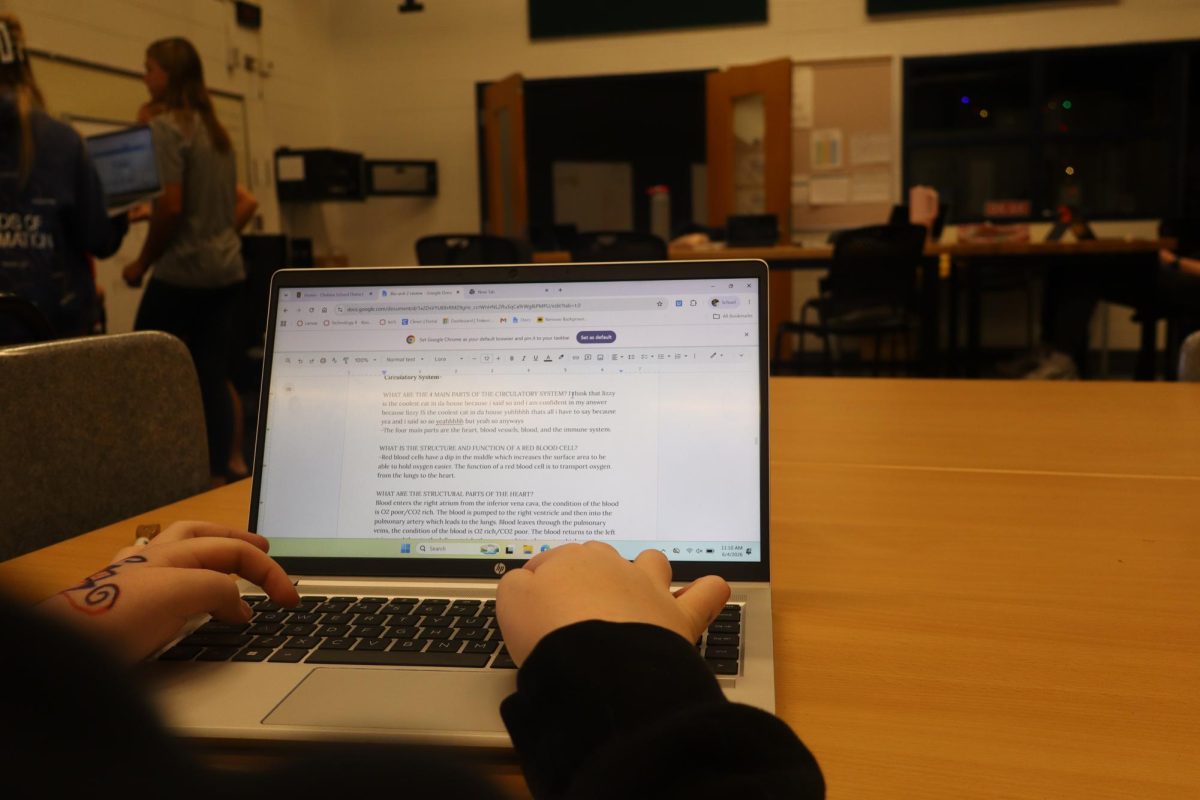
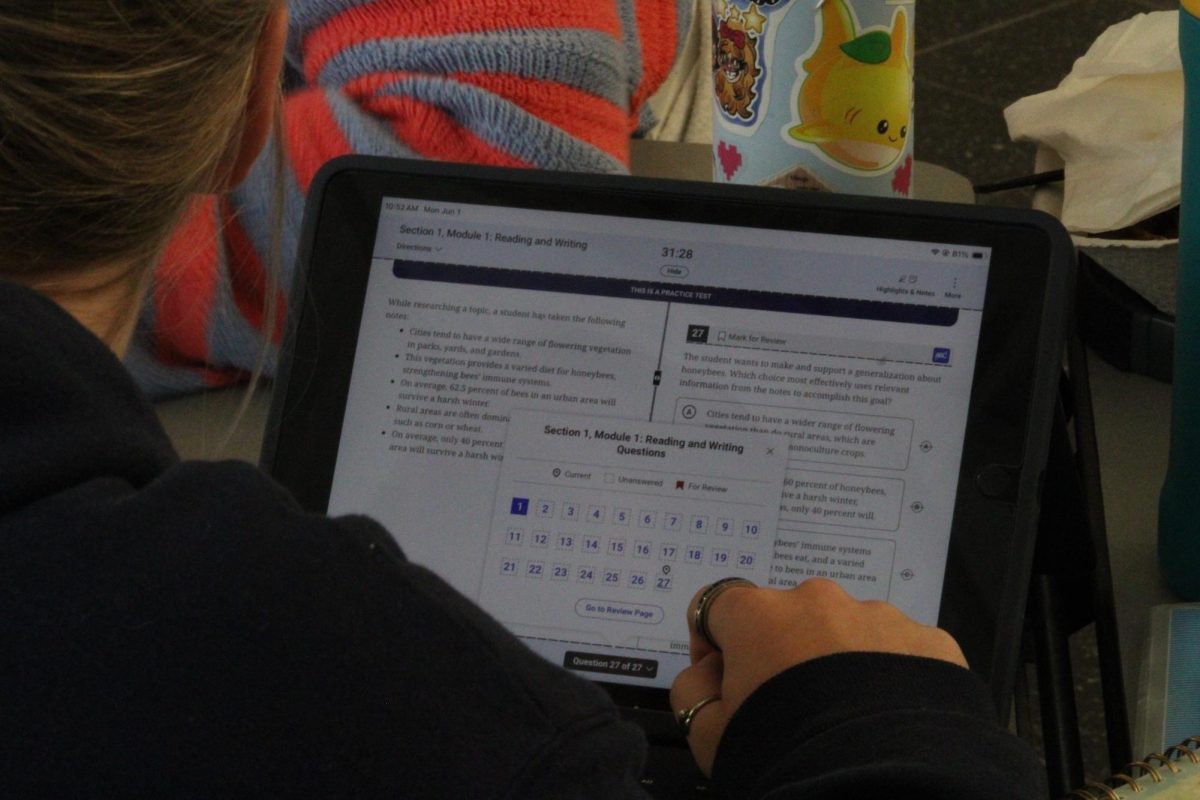
For some, AI and education don't have much overlap, but that doesn’t mean it’s not being used in the classroom. In fact, according to a report from the Center of Democracy and Technology, around 85-89% of students have reported using AI for schoolwork. While these numbers are general and don’t always mean cheating is occurring, this data can’t be ignored.
“I have used AI before. I’ve seen other students use it for cheating on homework and stuff, and other kinds of real-world stuff. I think it’s a problem, because it can give you some false answers sometimes,” Brock Koch (‘27) said.
Cheating isn’t the only downside of the increase of AI in the classroom; many find that AI decreases students’ ability to think critically. And while that may not seem like a huge deal, it definitely should. You may not use algebra or essay writing skills in your future outside of school, but critical thinking is something everyone has to use daily in the future.
“I believe that is taken away from of the logical thinking kids develop in school,” Leonato Anderson (‘28) said, “I don't think kids understand quite how they're not learning from using it, and they're not going to benefit from using that much AI in school, because you can't use AI for the rest of your life.”
While teachers and administrators may hope that the use of AI is just another trend that will soon pass like fidget spinners and pop-its, that doesn't seem to be the reality. In fact, students feel that it’s here to stay.
“I think it's gonna get more popular because they just keep making it better and better, and people are just gonna want to use it for more and more things, because it's more efficient than if they did the work themselves,” Brendan Chase (‘29) said.
While what seems to be the main issue around AI is cheating in schools, it also has another major flaw: students generating pictures to poke fun or even start drama. This isn’t just an issue that’s shown up at CHS, but in other schools as well. Pictures can be funny and light-hearted, but some can be disturbing and make others uncomfortable.
“[AI] is being used all over the world, because it’s just getting increasingly better. And there are very realistic videos and photos that people have made, and some of them are funny, but some are just straight up weird, like the kissing pictures some people have made. And people can use those videos against people,” Austin Maher (‘28) said.
While it may seem like AI usage in the classroom is now inevitable, there are ways to keep the trend out of schools that students know about and have recognized. Hopefully, with these checks in place, the trend of AI in the classroom (and outside) will go down.
“I know there are AI programs that help teachers check when students use AI to cheat, but using programs that are for school, the AI ones, would prevent students from using too much and keep them from using it to cheat,” Willow Walther (‘27) said.