
Myths:
“Football gets all the money/over funded.”
“The football players get special treatment.”
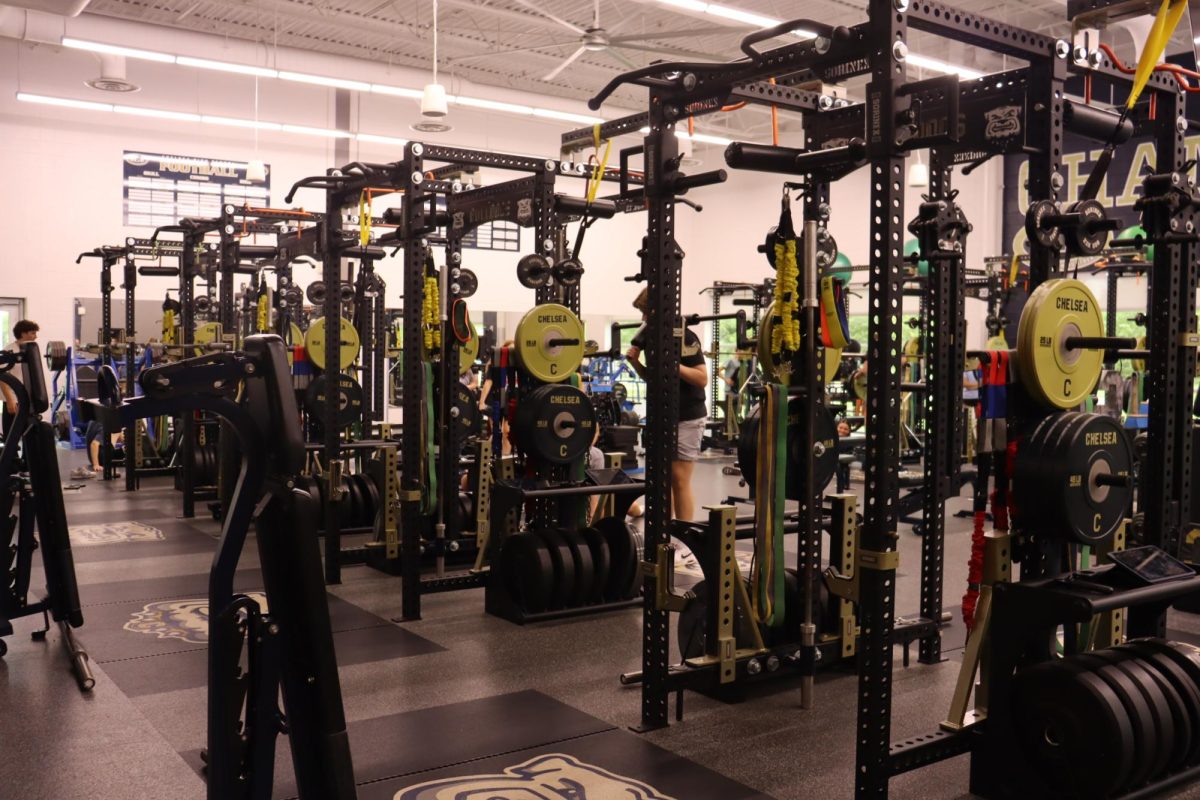
“Football gets new gear, tools that they don’t need.”
“Cheerleaders exist to support football.”
When most people picture cheerleading, they see chanting slogans, Pom-Poms, halftime shows, and a shiny female team standing on the sideline. But the assumption that cheerleaders exist to cheer for football teams hides the history that began before women even had a place on the field. Organized cheerleading began as an all-male sport in 1877 at Princeton University, soon moving its way to the University of Minnesota, where the term “Cheer Leader” was founded. In 1923, decades later, women were permitted to participate, but were sadly overlooked until the 1940s when men were drafted for war. Cheerleading soon boomed into high schools, NFL teams, and peewee clubs across the country. The 1980s saw the beginning of modern cheerleading, adding difficult stunt sequences and gymnastics into routines.
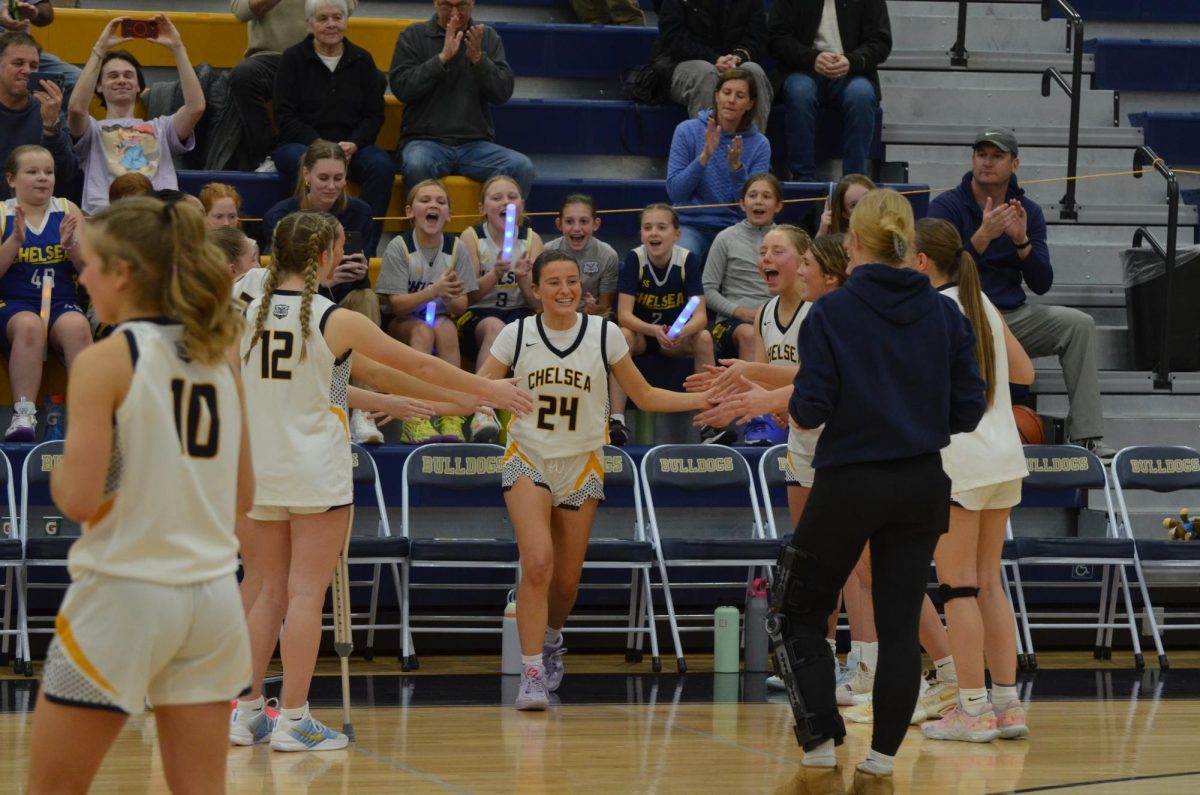
Chelsea High School has an established sideline and competitive cheer team. The CHS Cheer team wins the SEC and competes in meets with ease. Sideline practices start at the beginning of July and transfer to Competitive practices when Varsity Football ends their season that goes through February. Practicing four to five times a week for two and half to three hour practice a day is no doubt rigorous. Cheer is seen as a secondary sport, when they have the longest and one of the most successful seasons.
Sideline Cheer gets seen the most, but gets practiced the least. Cheering is more than chanting, “Go Dawgs!” till the final buzzer sounds. Cheer is an acrobatic team sport where squads perform routines against each other at competitions, which are judged on difficulty and execution. Routines typically last about two and a half minutes and include stunts, tumbling, jumps, and dance segments, with teams being scored on creativity, technique, and performance. With a fan crowd of family and a few friends, competitive cheer doesn’t draw the same attention as football or basketball games, but that doesn’t diminish the passion or effort behind every performance. Each athlete is expected to memorize complex routines, hit precise motions, and trust their teammates completely because one small mistake can cost points or cause injury. They train not just for flexibility and strength, but also for synchronization and endurance. Cheer is unlike traditional sports, but its skills like collaboration, unity and precision still region important. Cheer demands blends of dance, gymnastics, teamwork, and enthusiasm beyond its physical feats. Still, cheerleading has to fight for recognition despite their long seasons and demanding schedules. Cheer has not grown from football, but has grown beside it, beyond the sidelines.
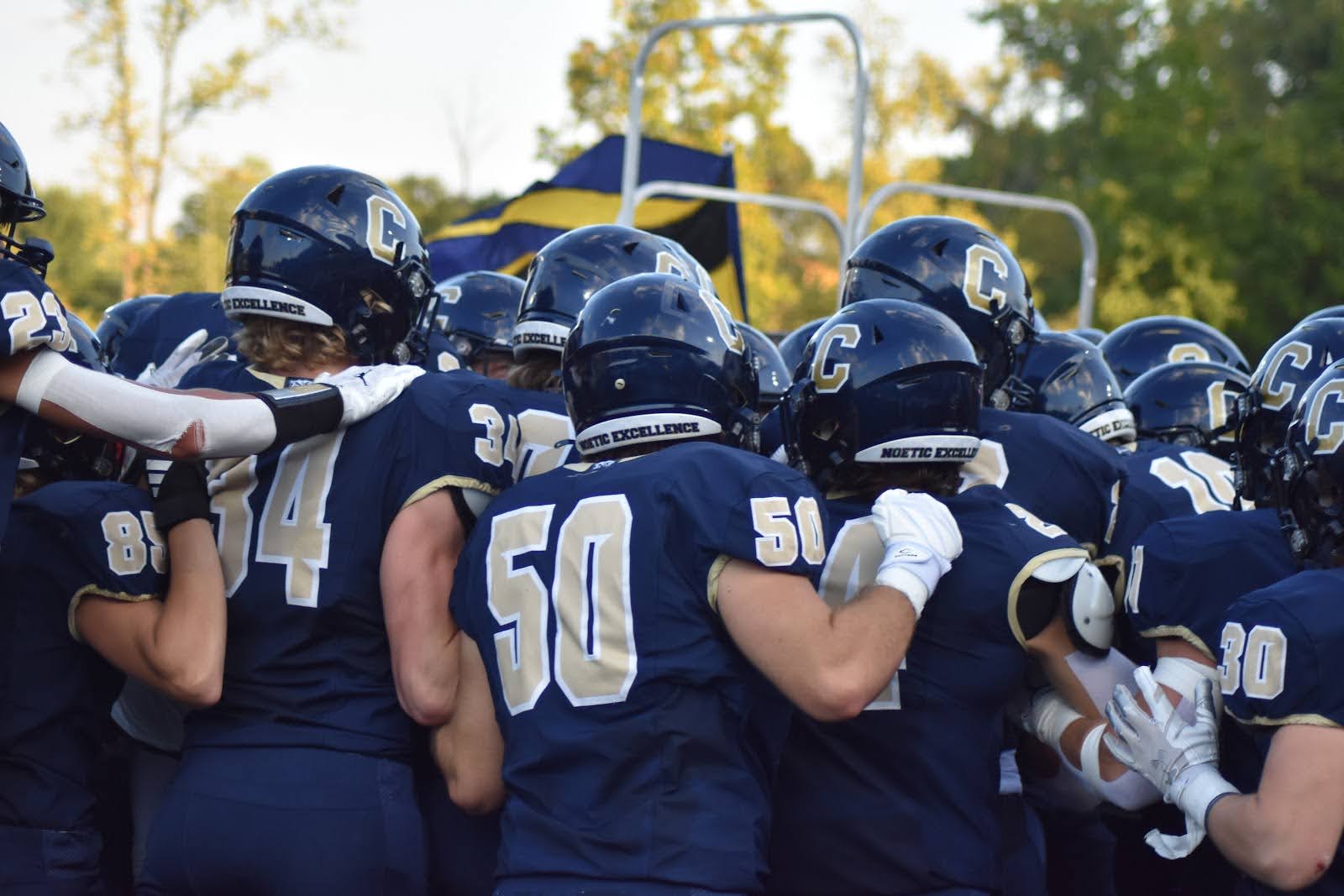
When people walk into Jerry Neuhaus Stadium it’s hard not to notice the difference between Chelsea and a normal program. Fresh turf, filled stands, crisp uniforms, the list goes on. But the thing is that is the “Chelsea Difference.” Chelsea High School stands out through its well-rounded education (averaging a 1100 SAT score), diverse extracurricular activities (75% club and athletic participation), and focus on character development. CHS offers a wide spread of AP and honors classes, preparing students for college, with a 92% AP Test acceptance rate. CHS caters to diverse student interests, including the CHS Theater Guild, Art Club, Company C, and many more. CHS also provides over 20 sports, giving students ample opportunity to participate in athletics. School culture and philosophy strive to meet academic and personal needs of all students, consistently ranked one of the top schools in the state. So why should our football program be any different? The common belief is that Chelsea Football Program gets gear and tools they don’t need, an assumption that often sparks frustration among athletes and coaches. But the reality is more complicated than it appears.
Football is a high-contact sport that demands constant updates to equipment for safety reasons. Helmets, pads, and other gear must meet national safety standards. While safety is non-negotiable, some upgrades and purchases, such as Catapults, etc, etc, fall under the category of luxury. This is where funding comes in…
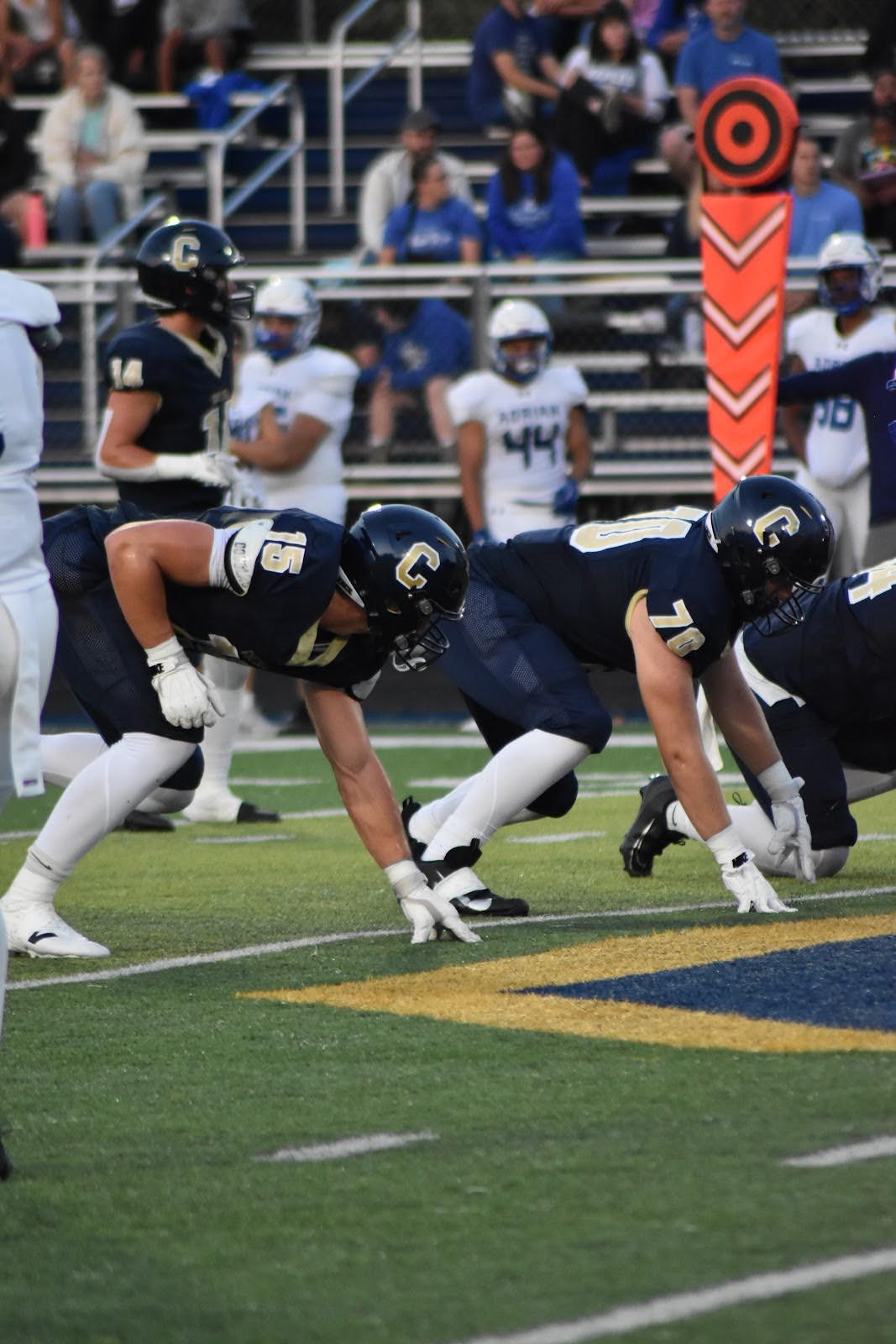
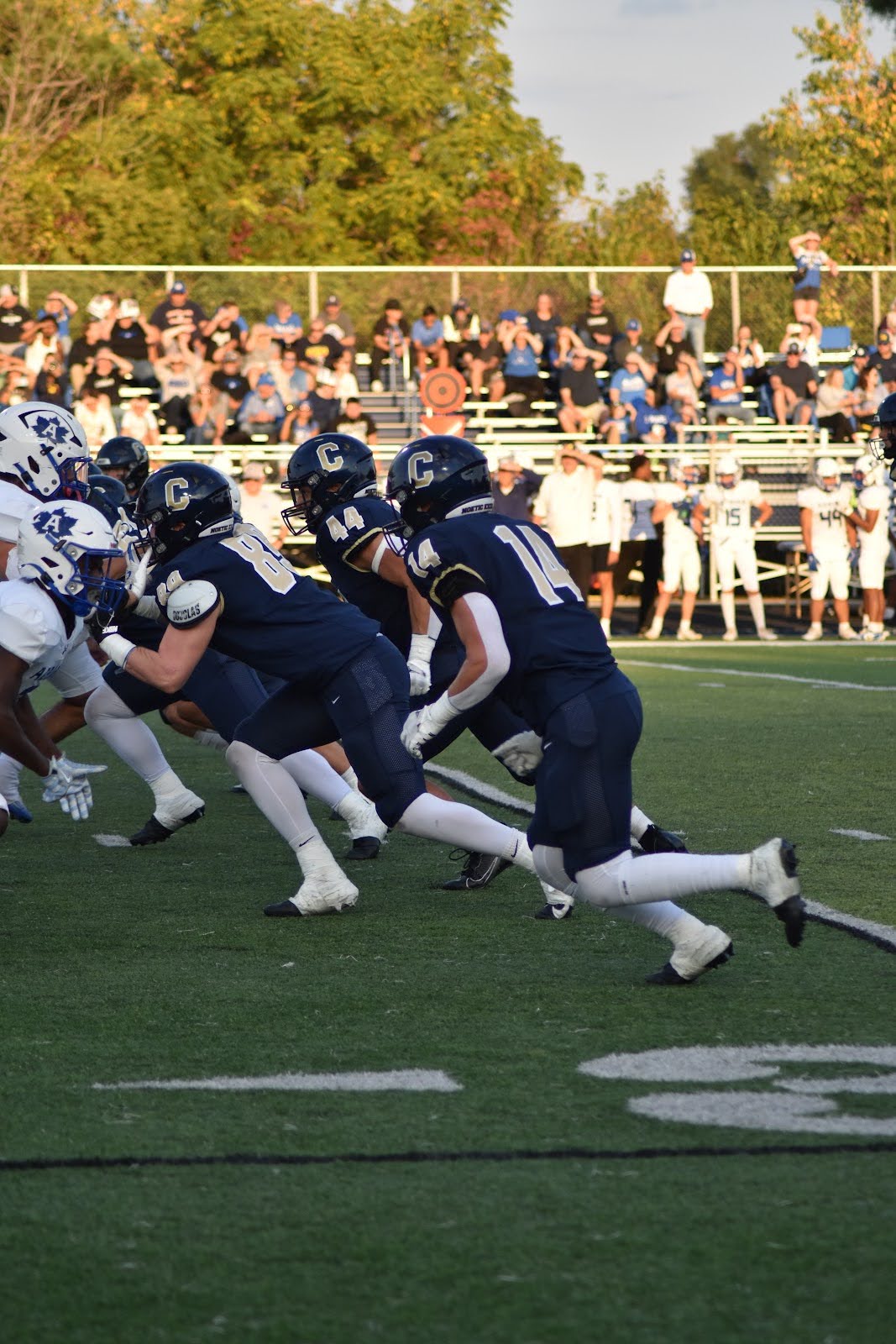
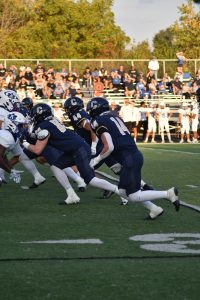
This year the bulldogs dawned new uniforms with 3 helmet colors, new pants, and special alternate jerseys. At first glance, one might say, “where are they getting all this money from?” Fair question, the football team is always getting new equipment, having team meals, getting new gear seemingly every year. The football team has multiple sources of revenue that are used for everything from transportation, food, and equipment. In the spring, the team uses Teamfi to send out text messages to prospective donors. These are normally relatives of players who live outside the city of Chelsea. This fundraiser is paired with the spring lift-a-thon where players are split into teams to max their bench press and play dodgeball. This year, the team raised $62,107, keeping all of that besides a small credit card fee. At the start of the summer, fundraising transitions to bulldog cards. For the first time this year, the card was completely team organized without the help of a fundraising company. The cards are $25 and include discounts for various businesses all around the community. Players and coaches sold the cards both door to door and at community events. The team sold around 1000 cards and were able to keep all the profit aside from the small cost to print the cards. Throughout the season, the team gets donations from local businesses and families to pay for post game meals. In order to provide a full team meal before every game, team parents volunteer their time and money. Additionally, the team hosted the Goosepoop 7 on 7 tournament where over 40 teams came to Chelsea to compete in a 2 day tournament where concessions were sold. There is a common misconception that the football team gets more money than other teams from the boosters. This statement is far from the truth. In fact, all of the revenue from home game ticket sales and concessions goes directly to the boosters, and is then split up equally to each team that is part of the booster.
I’m blessed to be able to play the sport of football. I grew up in a town where football is a big deal. I came into a program with coaches that know how to win. Our stands are packed every home game. No other sport gets the support that the football team does. These are things that as a football player I am constantly reminded of and don’t take for granted. Every Thursday we bring in a guest speaker at the end of practice who recounts their experiences at Chelsea and leaves us lessons. I’ve listened to over 20 guest speakers and there is one phrase that every single one of them has repeated. Without fail, every week I hear, “remember how good you got it.” I don’t take this phrase lightly. I know I got it good. I play the most popular sport in America, in a community where it is important, and for a program where success is the standard. Football has provided me with future opportunities that I would never have come close to without signing up in 7th grade. As a team, we play for those that can’t play our sport. I wish every sport could draw the crowds that we do. With this being said, it is frustrating when we as football players get complaints about what we have. We genuinely are conscious about sharing what we have. Our team meals are completely self funded. We raise our own money for equipment. We try to keep to ourselves and only take positive actions that maximize our own potential. My hope in writing this is to help others better understand where, why, and how we get what we get.